Field perspectives on Industrial AI & operational intelligence.
Engineering-led analysis on integration, data architecture, and the operational foundations that make Industrial AI adoption succeed.
Latest articles
3 more
Manufacturers Don't Have an AI Problem. They Have an Operational Intelligence Problem.
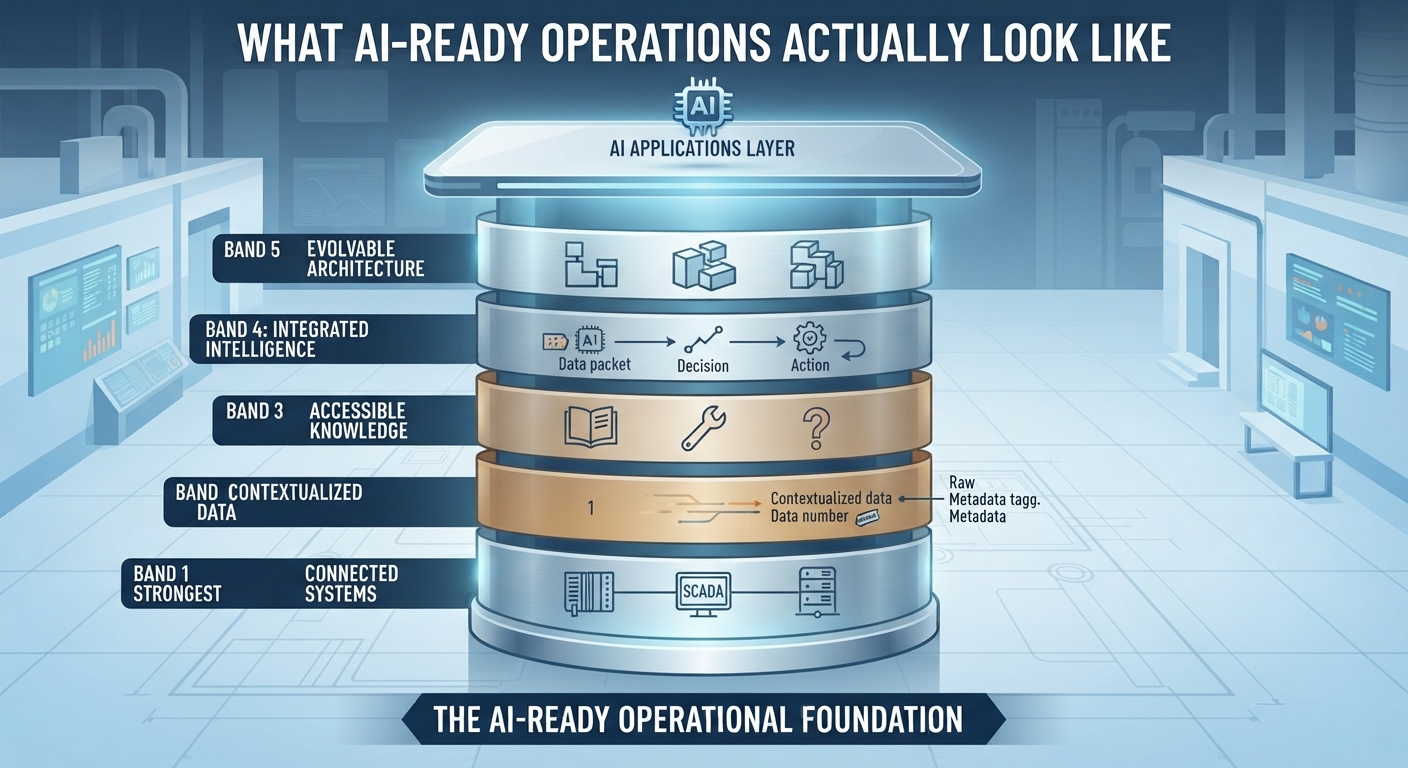
Across Africa and many emerging industrial markets, organizations are rushing to adopt Artificial Intelligence. Yet most are overlooking the real challenge: fragmented operations, disconnected systems, and poor visibility. Before AI can create value, businesses must first build an Operational Intelligence foundation.
AI in Manufacturing in Africa: It Only Takes One Competitor
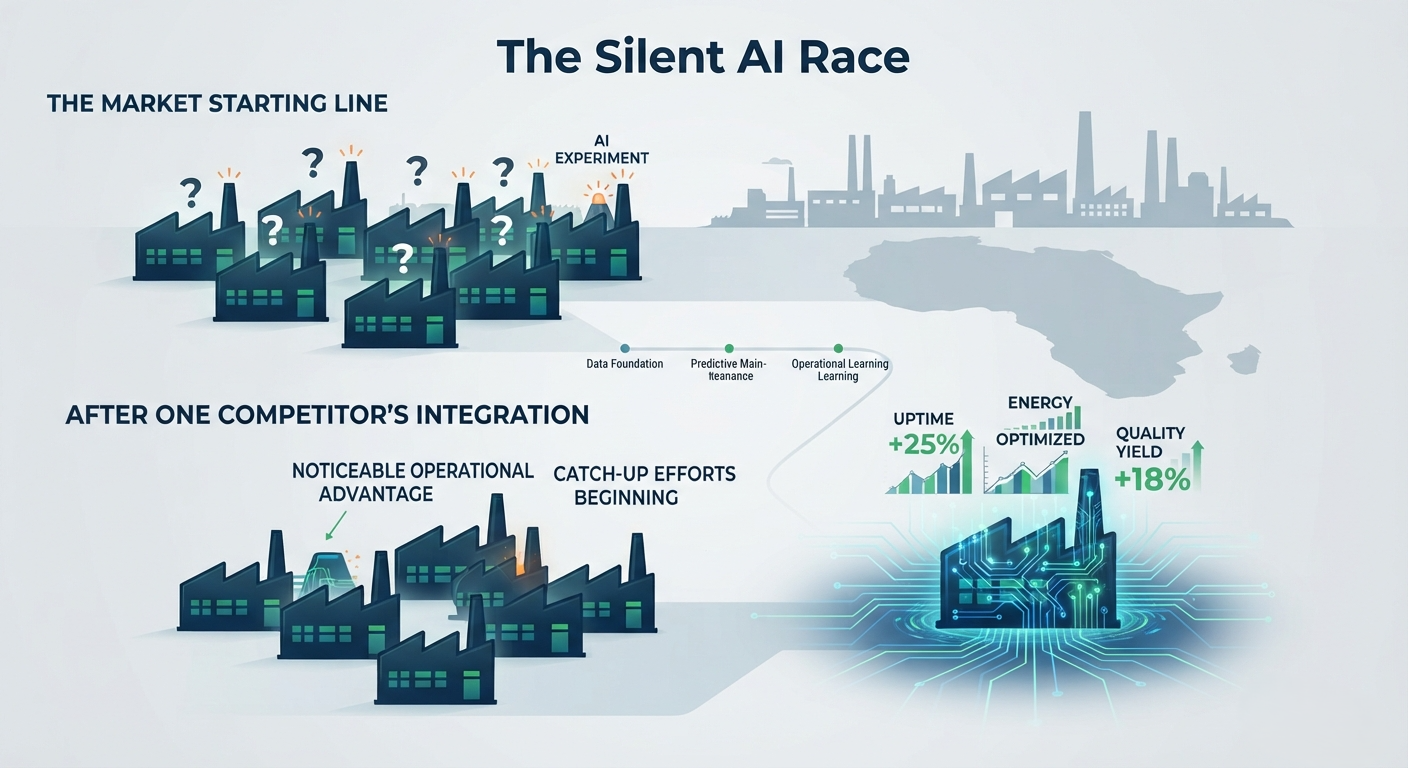
AI adoption in African manufacturing is still relatively early. That may be less a disadvantage than an opportunity. The manufacturer that begins integrating AI into maintenance, production, quality, energy, knowledge management and operational decision-making before its competitors may gain something more valuable than an AI system: time to learn. Because once one serious competitor demonstrates measurable operational advantage, AI adoption can quickly move from an experiment to a competitive necessity.

Interoperability Is Becoming a Manufacturing Imperative in Africa
African manufacturers are investing in automation, enterprise software, connected equipment, analytics and AI. But as industrial technology becomes more sophisticated, another challenge is becoming harder to ignore: making different systems work together. Interoperability is becoming a strategic requirement for manufacturers that want to modernise without continuously replacing existing infrastructure or becoming dependent on a single technology ecosystem.